
The summer reading list
Break out the beach reads
Every summer when I was a kid, the library handed out a reading list. Mine came with a little paper chart you filled in with stickers. What I loved was never the prize at the end. It was the way a good book could take a long, hot, shapeless afternoon and give it somewhere to go.
You already know that our Book Club runs a little differently than most. And we know that summer schedules (and wouldn’t-you-rather-be-outside weather) make a Zoom-based Book Club feel like a harder ask.
So we decided to change things up for July and August and put together a Summer Reading List instead.
You see, when we asked our community which books shaped the way they think about community, they didn't just send us business books. They sent us novels as well. Stories full of characters you'd want at your own dinner table. The kind of book you press into a friend's hands and say “trust me.”
With each book you'll find the cryptic clue that we used at the Community Council château, a short note on what it’s about, and a few extras we couldn't help making: journal prompts, resources, and a couple of games just for fun.
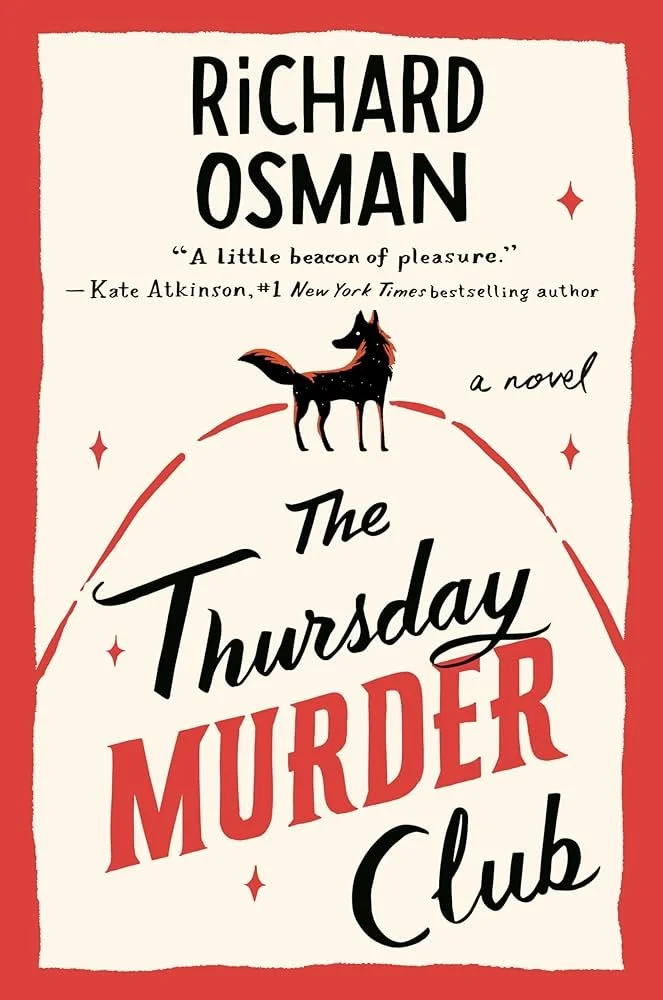
Thursday Murder Club
If you love a clever puzzle with a heart of gold—
join a gang of retirees who prove community, curiosity,
and mischief don’t fade with age.
(Fiction / Mystery / Humor)
—————
The book follows a quartet of eccentric retirees at the luxurious Coopers Chase retirement village who meet weekly to solve cold cases. Their amateur sleuthing turns into a high-stakes adventure when a local property developer is murdered, thrusting the friends into a real-time whodunit alongside local police.
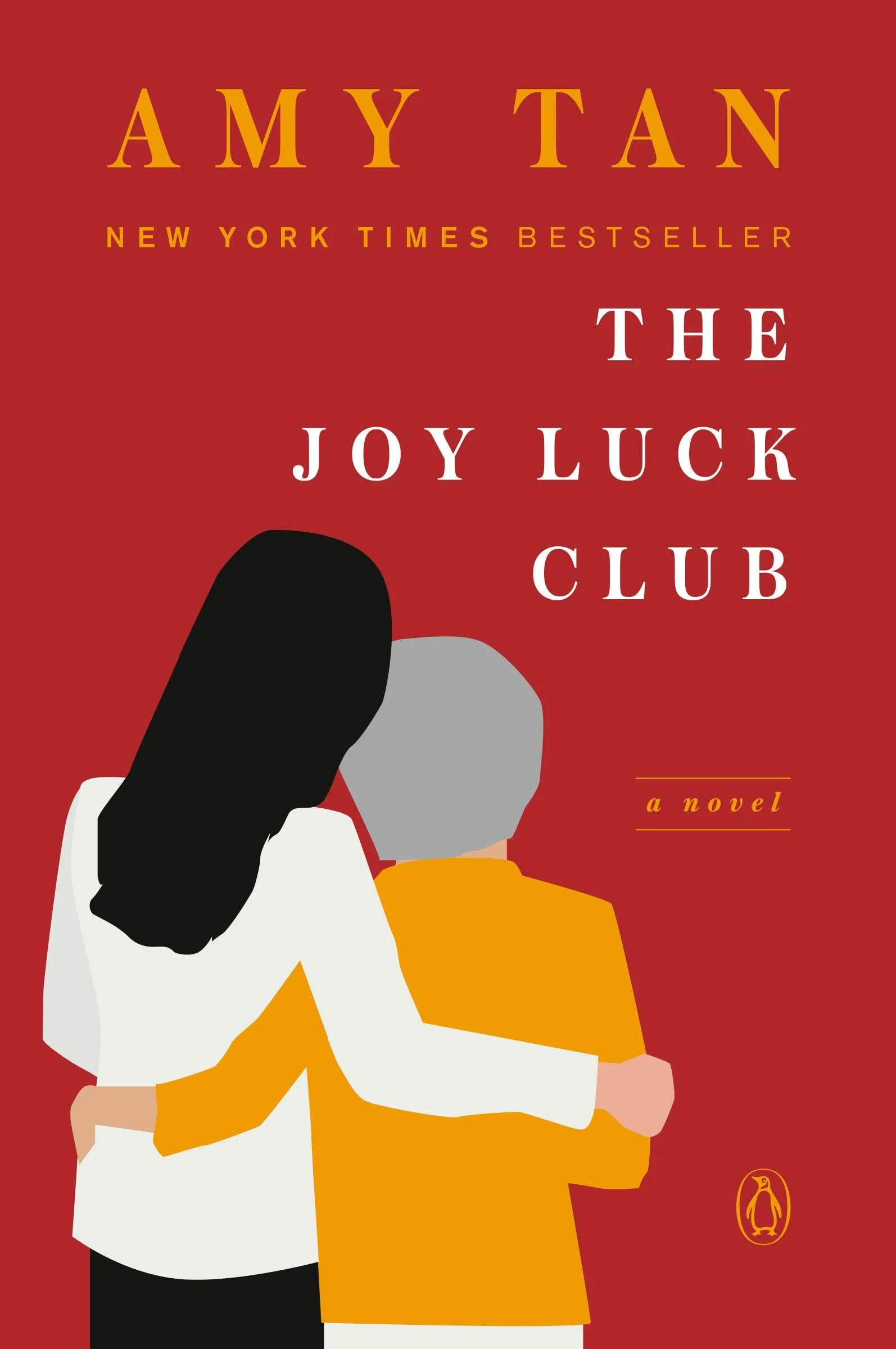
JOy luck club
If you’re drawn to stories of mothers and daughters, memory and migration—
this tapestry of love and misunderstanding
will linger long after you close it.
(Fiction / Literary / Family Saga)
—————
The book focuses on four Chinese immigrant families in San Francisco who start a mahjong club known as The Joy Luck Club. The book is structured similarly to a mahjong game, with four parts divided into four sections to create sixteen chapters. Spanning decades, the novel bridges cultural and generational divides, revealing hidden traumas from the mothers' pasts in China.
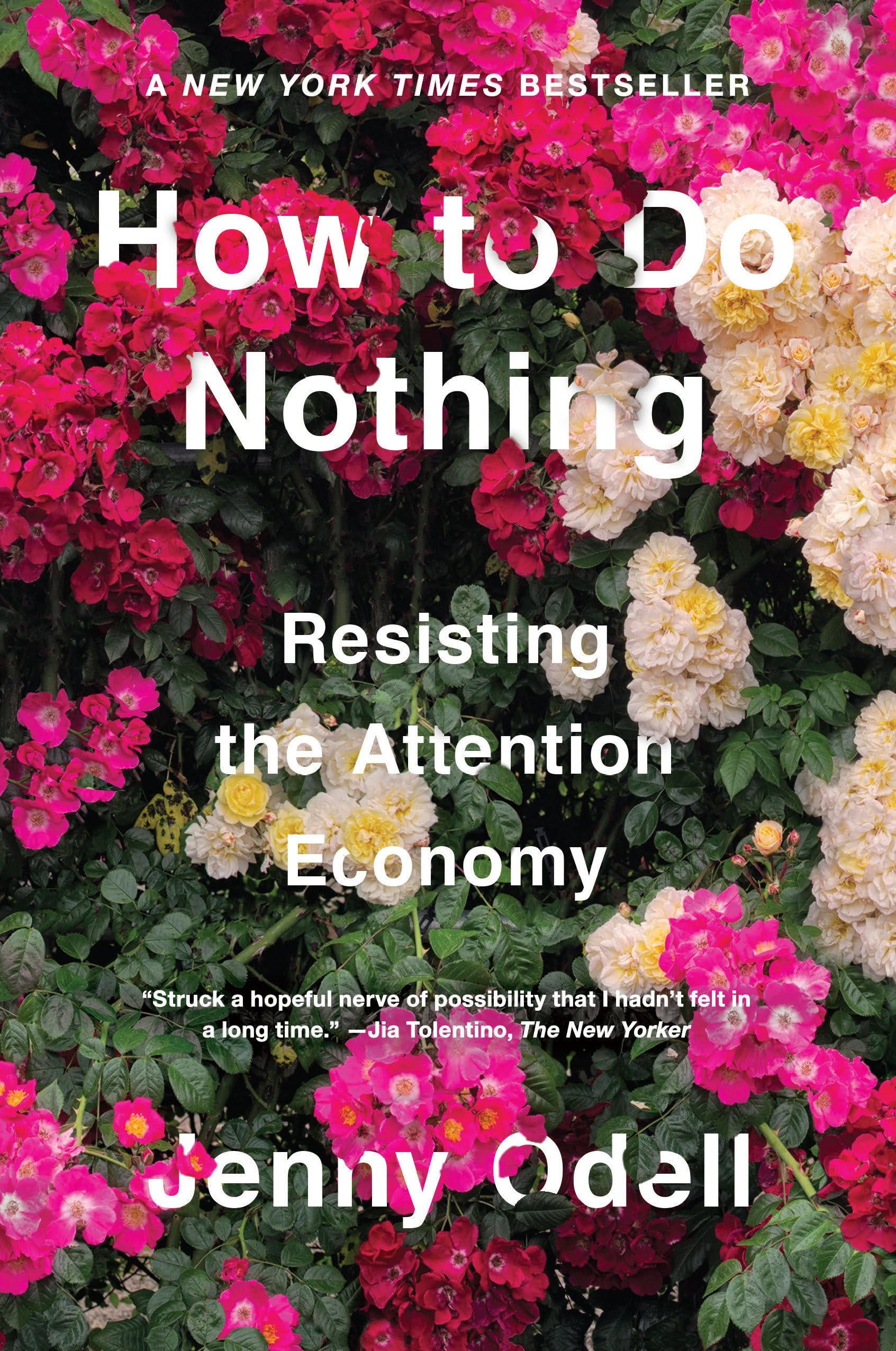
How to do nothing
If you’re tired of always being “on”—
this is a permission slip to pause.
A meditation on attention, presence, and reclaiming your time from the noise.
(Nonfiction / Mindfulness / Culture)
—————
A manifesto against modern hustle culture. It argues that we must reclaim our attention from social media and capitalist demands for productivity, using active contemplation and deep listening to reconnect with ourselves and the physical world
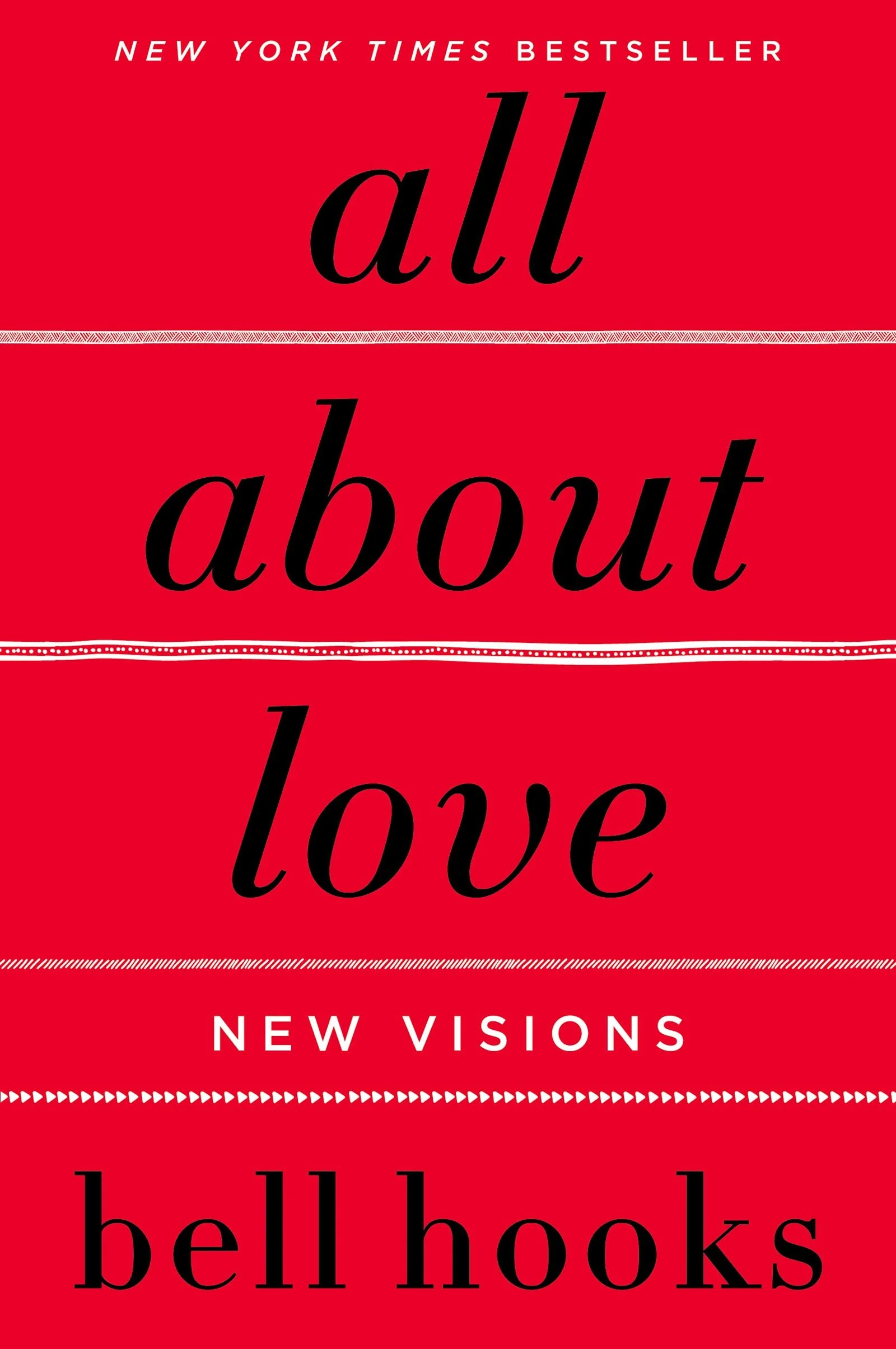
All about love
If you’re craving connection, clarity, or compassion—
in work, love, or friendship,
this is a gentle companion back to what matters most.
(Nonfiction / Philosophy / Relationships)
—————
The book argues that love is not a passive emotion, but rather an intentional, continuous practice rooted in care, respect, and trust. By confronting personal trauma and systemic issues, she challenges the widespread cultural misconception that love is simply a magical feeling that "just happens"
GoodReads | Journal Prompts | Write your own definition of love
📓 Journal Prompts
-
The Thursday Murder Club is four people in their later years who are sharper, nervier, and more capable than anyone around them assumes. Where in your own life are you quietly underestimated — and where might you be underestimating someone else?
Think about the clubs you've belonged to across your life — formal or informal, a childhood group, a team, a standing dinner, a group chat that never dies. What did belonging to one actually give you, and which would you rejoin tomorrow if you could?
The book is warm and funny while sitting honestly with aging, loss, and the people we outlive. How do you want to belong to a community as you grow older — and who would you want around a table like theirs?
Each member had a whole life before Coopers Chase — a nurse, a spy, a union firebrand, a psychiatrist — and the book insists those selves are still fully present beneath the cardigans. What earlier version of you do people no longer see, but you'd want them to know is still in there?
Solving cases is how these four stay sharp, useful, and refuse to be quietly shelved by the world. What keeps you feeling curious and needed — and what do you picture yourself still doing as you age?
Osman makes you fond of nearly everyone, even the suspects. Who did you find yourself unexpectedly rooting for — and what does that say about who you tend to extend sympathy to off the page?
-
The Joy Luck Club began as a way to choose hope in the middle of loss. A small, regular gathering that became a lifeline. What gathering in your own life has been a lifeline? What, specifically, made it one?
The novel turns on what is lost and kept in translation between mothers and daughters. What is something important that’s hard to translate between you and someone you love — across a generation, a language, or a worldview?
Each mother carries a story her daughter doesn’t fully know. What story from an older relative do you wish you’d asked about — and could you still ask it?
The daughters often feel their mothers’ hopes as a weight. Where have you confused someone’s expectations for you with their love of you?
Inheritance isn’t only objects. What belief, recipe, fear, or strength did you inherit without choosing it — and which of these will you carry forward on purpose?
As someone who builds community: the Club is belonging made across hardship and difference. Where in your own work are you quietly translating between people who don’t fully understand one another?
-
Odell reframes “doing nothing” as refusing the pressure to be endlessly productive. What in your life is quietly “useless” and worth protecting precisely because it resists being optimized?
She pays deep attention to the birds in her own neighborhood. Choose one ordinary, local thing you pass daily but never really see. What happens when you give it ten genuine minutes?
“I would prefer not to.” Where could a refusal (declining, opting out, leaving a message unanswered) actually be the most generative choice available to you right now?
Odell distinguishes dropping out from standing apart and then re-engaging differently. Is there a space, online or off, you need to step back from, not to vanish, but to return to it on better terms?
Attention is exactly what we ask of people when we gather them. When you bring people together, are you competing with their phones — or designing a space worth being fully present in?
She roots herself in her bioregion — its history, ecology, and people. What would it mean to know your own place more deeply, and where would you begin?
-
hooks insists love is something we do, not simply something we feel. Where in your life have you been waiting for love to arrive as a feeling, rather than choosing it as a practice?
She names the ingredients of love as care, commitment, trust, responsibility, respect, and knowledge. Which one is hardest for you to extend — and is it harder to give to others, or to yourself?
Most of us absorbed a working definition of love in childhood. What was love modeled as for you growing up? How does that quietly shape the way you lead, host, or care for people now?
“There can be no love without justice.” What would change if you treated the people in your community with not only warmth, but fairness — especially the ones who are easy to overlook?
hooks treats self-love as the ground everything else grows from. Where are you withholding from yourself the patience and care you give freely to the groups and people you serve?
Imagine a gathering you create for others were organized around a love ethic — not productivity, not networking, but genuine care for who people are. What is the first thing you’d change?
🤸♀️ Activities for you or with friends!
-
Solve a mystery of your own! There has been a Murder at Château Bellerive. Follow a series of clues and puzzles to find out whodunit.
🕵🏻♀️ I’m on the case!
-
Amy Tan’s novel turns on everything mothers and daughters never manage to say: the histories that don’t survive the journey between generations and languages.
This activity is a small act of resistance against that loss: choose someone a generation or two up — a parent, grandparent, aunt, mentor, or neighbor. Ask them about their lives, then mostly listen: aim to speak a tenth as much as they do, and let the silences sit. People fill them with the things that matter.
What’s a memory from when you were my age that you don’t think I know about?
Where did you grow up — and what did that place smell like, sound like, feel like?
Was there a single moment or decision that changed the direction of your life?
What did you hope for when you were young that didn’t happen — and what happened instead?
Who did you love that I never got to meet?
What’s something you were proud of that nobody ever thought to praise you for?
What did your own parents get wrong — and what did they get right?
Is there something you’ve always meant to tell me, but never quite found the moment for?
If these questions don’t resonate I recommend checking out Story Corp’s library of “Great Questions.”
-
Take an Attention Walk
Go for a twenty-minute walk with your phone away — in a pocket on airplane mode, or left at home. Before you set out, pick one thing to notice: birds, trees, sounds, textures, the faces of people you pass. Don’t document it. Don’t photograph it. Just attend to it. When you get back, write down everything you remember noticing. Most people are startled by how much was there all along. That noticing, is the thing Odell is trying to give back to you.
-
Write your own definition of love In one sentence, finish this: “To love someone is to…”
Make it an action, not a feeling.
Write it on a card and keep it where you’ll see it. For one week, before a moment that matters: a hard conversation, a gathering you’re hosting, a message you almost fire off, pause and ask: what would it look like to act from my definition right here? Then notice what shifts.
At week’s end, jot a few lines: where was it easy to live your definition, and where did it ask more of you than you expected?
Read along with us
Community Council Book Club is for the people who bring others together — hosts, organizers, community builders. Our Book Club reads the books behind that work: gathering, belonging, and what makes people stay. We read one about every six weeks, then meet on Zoom.
Why we’re different:
You don't have to read the book. Our picks throughout the year are usually non-fiction, so sessions run like a workshop: we share the core ideas, then put them to work on a gathering in your own life. Whether you read every page, skimmed it, or not at all. (Summer's list is our fiction detour — read it however you like.)
Prefer to go solo? Skip the Zoom! We send journal prompts, reflections, and the session slides to the whole list.
We’re getting back into our regular cadence in September - signup to see what we’re reading!